 Türkçe
  English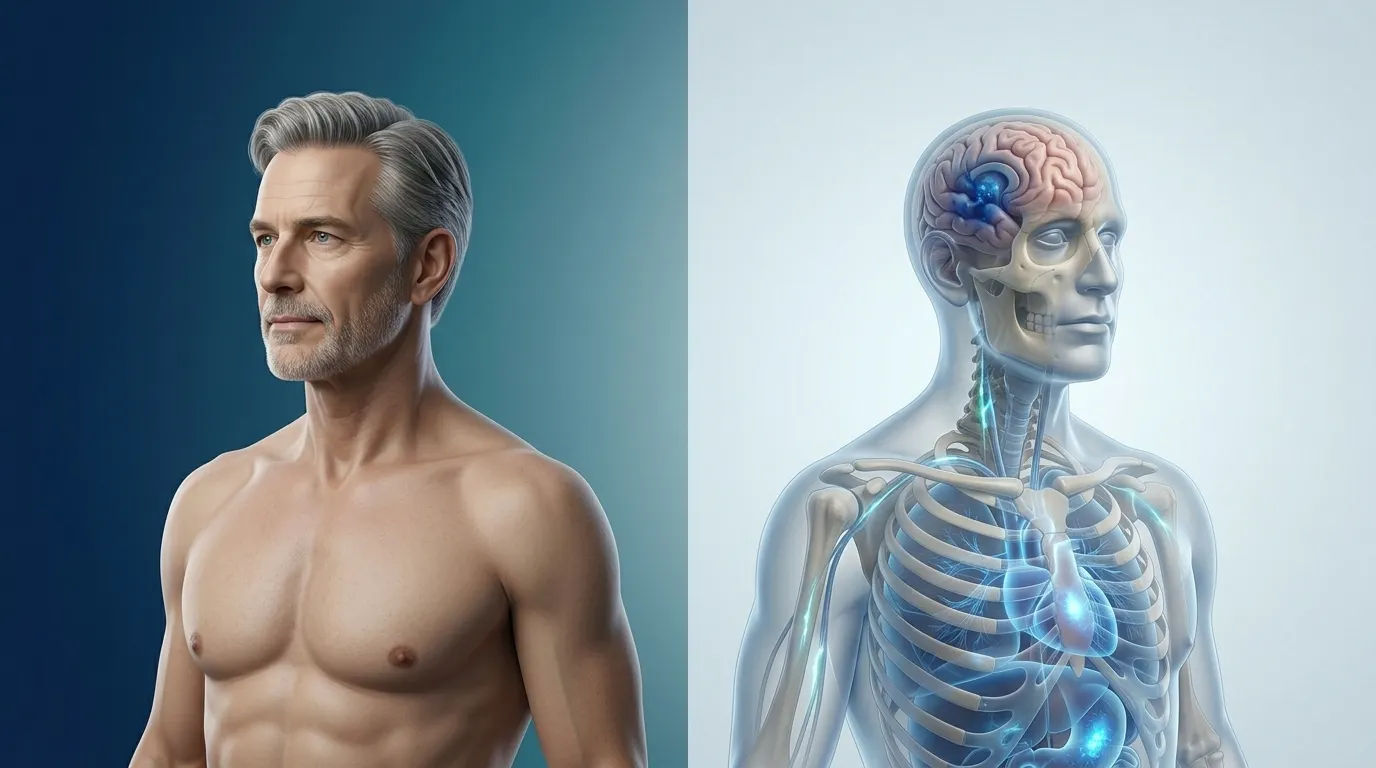
Does Looking Healthy Mean Being Healthy? The Importance of Hidden Diseases
- Holistic View of the Concept of Health: WHO Definition
- Apparent Well-being and Masked Symptoms
- Is Being Fit and Thin Enough to Be Healthy?
- The Vital Role of Early Detection: Diagnosis and Treatment Are the Doctor's Job
- Basic Dynamics Determining Quality of Life
- The Hidden Danger: Silent Course in Neurological and Chronic Diseases
- Good Perception of Symptoms and Health Literacy
- Importance of Routine Check-ups and Preventive Medicine
- The Illusion of Health and Good Appearance in the Modern Era
- Media and Social Environment Dictate "Looking Good"
- The Perception of a "Healthy Body" in Consumer Culture
- Long Life or Quality Life?
Today, aesthetic standards and appearance are equated with health, but the medical reality is much deeper than that.
Although many individuals appear “fit” on the outside, their body systems may be silently sounding the alarm.
In this article, we will go beyond the apparent well-being and examine what true health means and the vital importance of hidden diseases.
Holistic View of the Concept of Health: WHO Definition
The World Health Organization (WHO) does not define health simply as the absence of disease or disability.
Health is the state of balance in a biological, psychological and social integrity.
Physical, Mental and Social Well-being
The smooth functioning of our body on an organ basis (physical health) is only a part of this whole.
Mental serenity and balanced relationships with the social environment are mechanisms that directly affect our biological processes.
Active Participation in Health and Disease Perception
Knowing one’s own body and noticing changes requires an active participant in health management, not a passive spectator.
Awareness of maintaining health before any symptoms appear is a cornerstone of modern medicine.
Apparent Well-being and Masked Symptoms
Skin that looks healthy from the outside or an athletic body structure does not always reflect degeneration in internal organs.
Is Being Fit and Thin Enough to Be Healthy?
Being underweight does not always mean metabolic health; visceral fat (visceral fat) is a serious risk that can also be seen in thin individuals.
Likewise, high muscle mass can mask a hidden blockage in the cardiovascular system or a structural defect in the vessels of the brain.
According to Prof. Dr. Erdinç Özek: “Most of our patients think everything is fine until a severe symptom appears. However, from a neurosurgical point of view, many tumors or vascular disorders can grow ‘silently’ for years without any symptoms. Appearances are not always a reliable guide to the complex mechanisms inside.”
The Vital Role of Early Detection: Diagnosis and Treatment Are the Doctor’s Job
Screening for symptoms online can create a false perception of security or lead to unnecessary anxiety.
A medical evaluation; It is a whole with professional clinical examination, biochemical analyzes and, if necessary, advanced imaging techniques.
Basic Dynamics Determining Quality of Life
Health is not a result, but a process governed by daily habits.
Sleep Quality and Metabolic Processes
Sleep is not just a resting phase, but a vital repair mechanism in which the brain cleanses itself of toxins and hormones are regulated.
Insufficient sleep is the biggest trigger of neurodegenerative diseases and immune system weakness in the long term.
The Impact of Hormonal Balance on Wellness
From our appetite and mood to our bone density and cognitive functions, everything depends on the delicate balance of hormones.
A hormonal irregularity, although not noticeable from the outside, can pave the way for a systemic collapse over time.
| Parameter | Healthy Appearance (Can be misleading) | Being Healthy (Real Indicator) |
| Body Structure | Underweight or muscular build | Balanced visceral fat ratio |
| Skin Condition | Cosmetically smooth | Vitamin and mineral balance is in place |
| Energy Level | High with caffeine/stimulant support | Natural and sustainable energy |
| Sleep | Short-term but active awakening | Uninterrupted and restful REM sleep |
The Hidden Danger: Silent Course in Neurological and Chronic Diseases
Some diseases are “insidious” in character; They only show clinical symptoms when a certain threshold is exceeded.
Good Perception of Symptoms and Health Literacy
A slight hand tremor, temporary blurred vision or recurrent headaches should not be passed off as “fatigue”.
Health literacy is the ability to take these micro symptoms seriously and consult a specialist physician.
Importance of Routine Check-ups and Preventive Medicine
The safest stop before coming to the operating table is check-ups and regular screenings.
Especially in the field of neurosurgery, an aneurysm or tumor detected early minimizes life-threatening risks.
The Illusion of Health and Good Appearance in the Modern Era
Unfortunately, social media aesthetics has reduced the definition of health to a visual standard.
Media and Social Environment Dictate “Looking Good”
Filters and edited frames impose unattainable and often unhealthy beauty norms on people.
This causes individuals to invest in their external packaging rather than their internal health.
The Perception of a “Healthy Body” in Consumer Culture
Supplements and fast diets can sometimes endanger liver and kidney health with the promise of “quick health”.
True health is a medical discipline, not a marketed product.
Long Life or Quality Life?
Our goal should not only be to add life to years, but also to add quality to life.
Just “looking good” for a body that is not healthy at the cellular level cannot be a long-term life strategy.
Listen to your body’s voice, stay ahead of your professional check-ups, and remember that health is a holistic balance.
If you are experiencing similar health complaints or want a routine neurological evaluation, do not neglect to make an appointment with a specialist physician.